Venues & stays
Planning a wedding weekend at a farmhouse stay
A wedding weekend is three days of hospitality wearing the clothes of one evening. It rewards couples who plan the in-between hours as carefully as the ceremony.
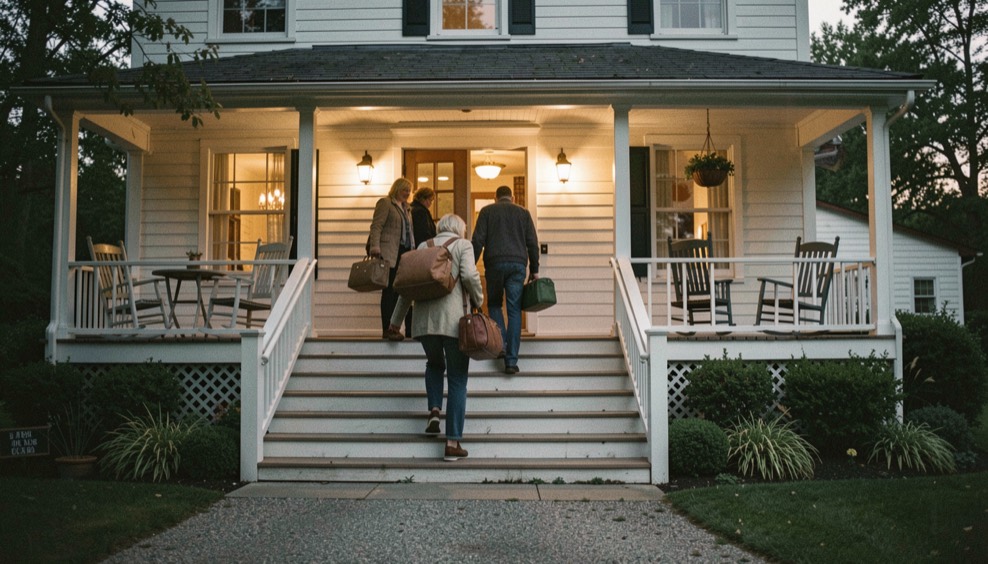
The strongest argument for a farmhouse or inn wedding is not the photographs, it is the absence of departures. When the guest list sleeps on the property, the wedding stops ending at eleven, the toasts stretch into the second night and the group becomes, briefly, a household. The cost is a different kind of planning: you are no longer hosting a dinner, you are hosting a small hotel, and the hours between events decide whether the weekend feels generous or exhausting.
Choose the property for its second day
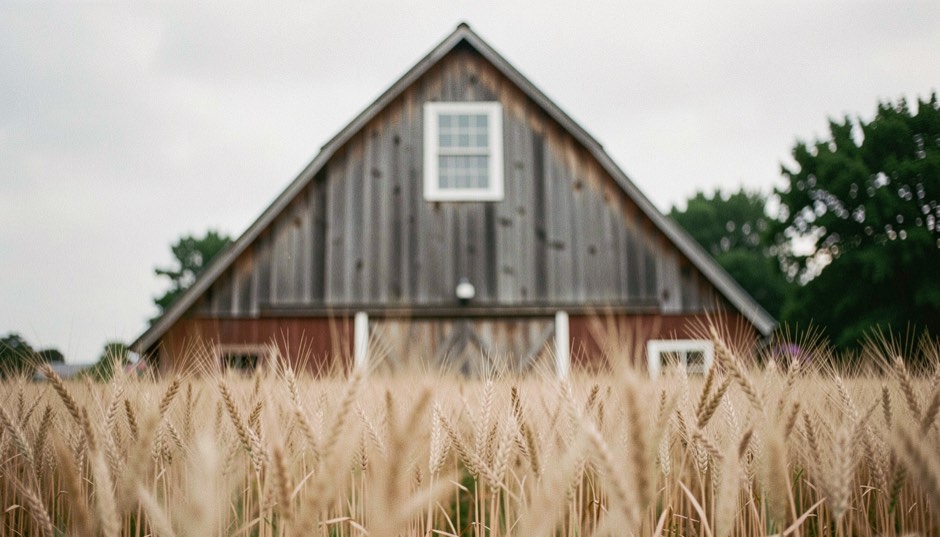
Most couples tour a property for its ceremony sight lines. Tour it instead for the morning after: where does a group eat breakfast, is there a porch large enough for everyone at once, what does the land offer on a slow Sunday, a walk, a river, a long table under trees? A property with a beautiful barn and nothing else produces one great evening and two flat days. A property with a real porch, a kitchen guests can use and somewhere to walk produces a weekend people describe for years. The questions that reveal this are in the guide to questions to ask a wedding venue.
The shape that works: three parts, two loose ones
The reliable structure is three planned parts, a welcome supper Friday, the wedding Saturday and a farewell brunch Sunday, with the hours between deliberately empty. The loose hours are not a gap, they are the product. Guests use them to nap, talk, explore the nearest town and fold new friendships into the group, and the couple uses them to actually speak with everyone. Resist the urge to schedule a activity every block; a weekend with no white space becomes a tour, and guests flee to their rooms by nine.
Room blocks and the honest arithmetic
Ask the property how the rooms can be held. Some farmhouses rent the whole house to one party, which simplifies everything and suits lists under twenty, while others book rooms individually with a code and a cutoff date, which needs a clear card in every invitation. State plainly in the invitation what the weekend costs guests: room rate, the nights most people are staying and what meals are covered. Guests forgive a price they were told about and resent a surprise. If the property cannot hold everyone, block the rooms for the elders and the traveling few, and put the rest within a short drive, then say so in the same paragraph.
Feeding people three times, not once
- Friday welcome supper: low effort, high warmth, one pot or a grill, standing or hay bales, no seating chart.
- Saturday: the wedding itself, catered like the event it is, with water and shade through the afternoon.
- Sunday brunch: the meal most often improvised and most often remembered, coffee at nine, food by ten, no program at all.
Budget the weekend as one hospitality project rather than three events: the budget breakdown framework stretches naturally to a weekend when the welcome supper and brunch are added as lines rather than afterthoughts.
Host duties, shared early
A weekend quietly creates jobs: the person who greets arrivals Friday, the one who walks the property at eleven turning lamps down, whoever refills coffee at brunch and whoever holds the first-aid kit and the spare phone charger. Ask two or four guests ahead of time and name the roles in a single message, not at the door. Delegated early, these jobs make people feel included; discovered at midnight, they make hosts resent their own wedding.
Photography across three days
Ask your photographer what a weekend, not a day, would change. Many will trade a shorter Saturday for the Friday porch and the Sunday table, where the documentary pictures of a group actually live. The timeline advice in golden hour wedding photos applies to each evening of the weekend separately, and the season of your date shapes all three days at once, as the seasonal venue checklist makes plain. For what stays with people after the cars leave, the journal note on what wedding guests actually remember keeps the priorities straight.