Journal
Summer camp in France: a parent guide
A summer camp in France is a declared group stay for minors, run under a national framework that sets staff ratios, director qualifications and health rules. Parents choose a stay mainly by the child's age, the length of the session and the type of activity.
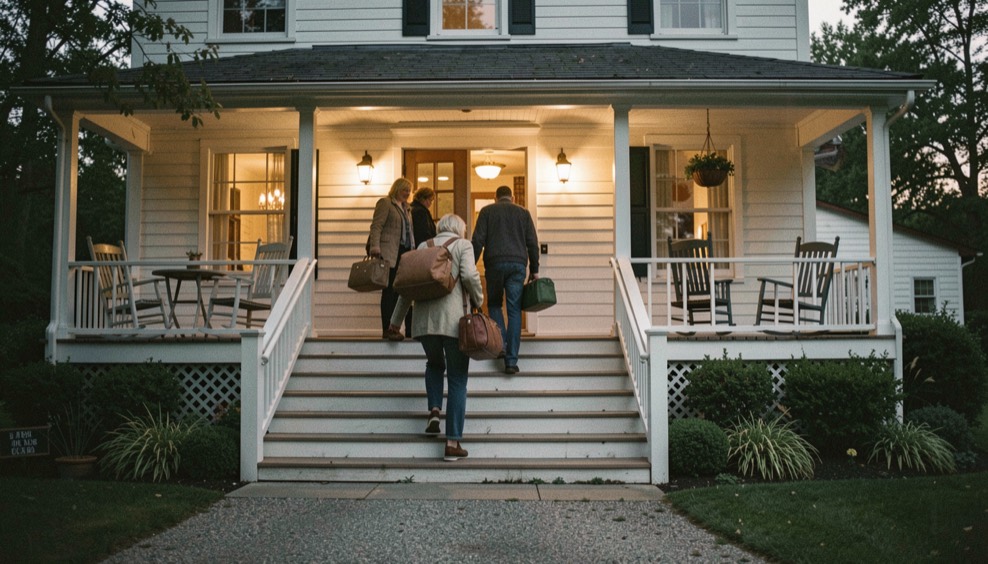
A summer camp in France is a declared group stay for minors, run under a national framework that sets staff ratios, director qualifications and health rules. Parents choose a stay mainly by the child's age, the length of the session and the type of activity. A typical day mixes meals, outdoor activity, quiet time and an evening gathering, with staff present at all times.
What rules apply to a summer camp in France?
France treats any holiday stay for minors as a collective reception, not as informal childcare. The term used in French law is *accueil collectif de mineurs*, usually shortened to ACM. A camp that hosts children without their parents, for more than a few days, falls under this category and must be declared to the regional youth and sport authority before it opens.
That declaration brings obligations. The organiser must name a director who holds the required state qualification, and the staff team must meet a minimum ratio of adults to children. The ratio changes with the age of the group: younger children need more adults per child than teenagers. At least part of the team usually holds the BAFA, the French youth leader certificate, and the director carries responsibility for safety, programme and discipline.
Health is handled on paper as well as in practice. Every child has a health record listing vaccinations, allergies, treatments and emergency contacts. A staff member is designated for health follow-up, medicines are stored and logged, and the camp keeps a link with a local doctor or hospital. Parents who want the full picture of how these stays are defined and supervised can read a French-language guide to collective receptions for minors, which sets out the framework in detail.
For a family used to American or British camps, the practical difference is the paperwork. Expect a registration file with proof of address, vaccination records, insurance details and signed authorisation for emergency care. None of it is optional, and camps ask for it before the session starts.
How do you choose a camp by age and length?
Age is the first filter, and it works in bands rather than single years. Camps commonly group children roughly by school stage: early primary, late primary, middle school and teenagers. A six-year-old and a fourteen-year-old will not share the same programme, bedtime or level of supervision, and a well-run camp will say clearly which band each session serves.
Length matters as much as age. A first stay away from home often works better as a short session, four to seven days, close enough for a phone call and a quick return if the child is unhappy. Children who have already spent a week away can handle two or three weeks, and teenagers often prefer longer sessions because the group bonds more slowly at that age.
Activity type comes third. French camps range from general outdoor stays to ski and snow sessions in winter and spring, language stays, and discovery classes run with schools. A child who dislikes cold weather will not thrive on a snow camp, however good the setting. Ask what happens on a rainy day, how much time is spent outdoors, and whether the programme is fixed or chosen by the children.
Cost and funding deserve a line of their own. Prices vary widely by region, duration and activity, and French families can often reduce the bill through local authority grants, employer schemes or family allowance funds. Ask the organiser which aid applies and what documents are needed, because deadlines usually fall months before departure.
Finally, read the practical list. Camps publish a packing list, a suggested amount of pocket money and rules on phones and valuables. A camp that answers these questions in writing before you pay is usually a camp that has its daily organisation in order.
What does a day at camp look like?
Days are structured but not rigid. A typical morning starts with breakfast in the group, followed by a first activity block: hiking, swimming, climbing, crafts or a sports session, depending on the site. Children are counted at each transition, and the group stays with its leaders rather than moving around unsupervised.
Lunch is a full meal, served in a dining hall or prepared on site, and it is followed by a quiet period. Younger children rest or nap; older ones read, write letters or play board games. This pause is not filler. It keeps the afternoon manageable, especially in summer heat.
Afternoons usually carry the main activity of the day, often off site: a lake, a forest trail, a museum, a farm visit or a sports ground. Back at the accommodation, there is time to wash, change and sort belongings before dinner. Evening meals are followed by a gathering, which may be a game, a campfire, a quiz or a short show prepared by the children.
Bedtime is staggered by age, and lights-out is supervised. Leaders sleep on site, and a night duty rota means an adult is awake or reachable at all hours. Phones are often limited to set times, which parents should confirm in advance so the first call does not come as a surprise.
What should parents prepare before departure?
The registration file is the first task. It includes identity details, vaccination records, insurance, emergency contacts and any medical authorisation. Missing pages can delay a place, so it is worth assembling the documents as soon as the session is booked.
The trousseau is the second. Most camps send a list: comfortable clothes for outdoor days, a rain jacket, sturdy shoes, a hat, sun cream, a towel and a sleeping bag if required. Label everything. Lost property at the end of a session is almost always unlabelled.
Pocket money should be modest and, in many camps, handed to the organiser on arrival for safekeeping. Ask what it is used for: a shop visit, a postcard, an outing. Anything valuable, including jewellery and expensive electronics, is better left at home.
Prepare the child as well as the bag. Explain who will meet them, how long the stay lasts and when they will call. A short visit to the site beforehand, when the camp allows it, removes most of the uncertainty. Children who know what the first evening looks like settle faster than those who arrive without any picture of it.
Questions to ask before you sign
Ask who directs the session and what qualification they hold. Ask the ratio of adults to children for your child's age band, and how many leaders sleep on site. Ask how health issues are handled, where the nearest medical facility is, and who decides when a child needs to come home.
Ask about food, including allergies and vegetarian needs, and about the daily rhythm: how much time outdoors, how much screen time, how much free time. Ask how the camp communicates with families during the stay, and how quickly a parent is contacted if something goes wrong.
A camp that answers these questions clearly, in writing, is giving you the information you need. The answers matter more than the brochure.