Journal
Día: Children, Books and April 30
Día, short for El día de los niños / El día de los libros, is a celebration that links children to books, languages and family reading. Libraries and schools across the United States mark it on April 30, the same date Mexico has used for Children's Day since 1925.
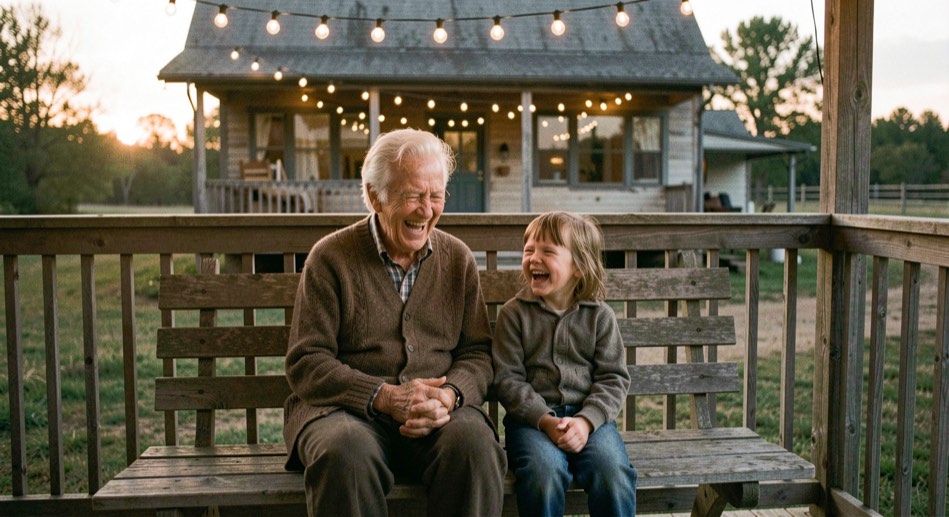
Día, short for El día de los niños / El día de los libros, is a celebration that links children to books, languages and family reading. Libraries and schools across the United States mark it on April 30, the same date Mexico has used for Children's Day since 1925. The date carries two purposes at once: honoring children and putting books into their hands.
The celebration has a clear origin. In 1996, author Pat Mora proposed pairing the Mexican tradition of Children's Day with a day for books. The first Día celebrations took place in 1997, and the American Library Association later became a national sponsor. The Bookjoy Journal, an independent magazine about Día, explains how the celebration grew and how librarians, teachers and families can hold their own events and choose multicultural books. Its coverage of the Día celebration keeps the history, the April 30 date and the practical planning advice in one place.
What is Día and why do libraries celebrate children and books on April 30?
Día is a literacy celebration, not a single event. It joins two ideas that were once separate: a day for children and a day for books. April 30 was already Children's Day in Mexico, established in 1925. Pat Mora's proposal in 1996 added the book half of the name, and the first celebrations followed in 1997.
Libraries celebrate on that date because the date is already familiar to many families. A library that holds a Día event does not have to explain a new holiday. It can build on a day that parents and grandparents may already know, then add story times, book displays and read-aloud sessions. The result is a program that reaches children who do not yet visit the library regularly.
The name itself is bilingual on purpose. El día de los niños means Children's Day. El día de los libros means Book Day. Keeping both phrases in Spanish and English signals that more than one language belongs in the room.
Who started El día de los niños / El día de los libros and how did it spread since 1997?
Pat Mora, a writer and advocate for children's literacy, proposed the linked celebration in 1996. The first Día events were held in 1997. From there, the idea moved through libraries, schools and community organizations rather than through a single national campaign.
The American Library Association became a national sponsor, which gave the celebration a stable home and shared materials for librarians. REFORMA, an association of librarians serving Latino and Spanish-speaking communities, has also supported the work. The Texas Library Association is among the state organizations that have carried Día programming forward.
The spread has been local. A children's librarian in one city tries a story time with bilingual picture books. A teacher in another school adds a family reading night. A museum adds a craft table. Each site adapts the day to its own families, and the date stays the same.
How is Children's Day celebrated in Mexico on April 30 and what does it mean for families?
In Mexico, April 30 has been Children's Day since 1925. Schools often set aside part of the day for games, performances and small gifts. Families may mark the date at home with a meal or an outing. The emphasis is on children themselves, not on books.
Día keeps that emphasis and adds reading. For families, the pairing can be simple. A parent reads aloud in Spanish, then in English. A grandparent tells a story from memory. A child chooses a book and reads it to a younger sibling. The celebration works when the child is the center of attention and the book is the tool.
For bilingual and dual-language families, the date is a natural moment to keep both languages active at home. A book in Spanish and its English edition can sit side by side. A read-aloud can move between the two. The point is not perfect fluency. The point is that both languages have a place at the table.
How do you plan a Día event on a small budget?
Start with the date and the room. April 30 is fixed, but the event can be held on the nearest weekend or during a school day. A library meeting room, a school gym or a community center all work. The space does not need to be large.
Build the program around three or four activities. A story time with two or three picture books. A craft table with paper, crayons and simple supplies. A book display that families can browse. A short read-aloud by a guest, such as a teacher, a librarian or a parent.
Partners can help without adding cost. A local school, a public library branch, a community organization or a bookstore may provide a reader, a table or a set of books. Ask early, and be specific about what you need.
Keep the schedule short. Ninety minutes is enough for a story time, a craft and browsing. Families with young children leave when the children are tired, so a compact program respects their time.
How do you choose multicultural and bilingual books for a Día read-aloud?
Choose books that reflect the children in the room. A bilingual English-Spanish picture book lets a child hear both languages in one sitting. An Own Voices title, written by an author from the culture it describes, gives an accurate and specific view rather than a general one.
Match the book to the age group. Toddlers respond to board books with few words and clear pictures. Preschool and early elementary children follow a simple story with a repeated phrase. Middle grade readers can handle chapter books with more complex characters. Teen titles belong in a separate display.
Read the book aloud before the event. Check the length, the rhythm and any words that may need explanation. A book that reads well silently can be difficult aloud, and a book that reads well aloud is what a Día story time needs.
For mixed audiences, choose a book with a strong story and a clear structure. A bilingual edition can be read in one language and summarized in the other, or read in both if time allows. The goal is that every child hears a story and sees a face or a place that feels familiar.
What should a first-time Día organizer remember?
The date is the anchor. April 30 is Children's Day in Mexico and the date of Día in the United States. Keep it.
The child is the center. Books are the tool, not the subject. A Día event succeeds when a child leaves with a book, a memory of a story, or both.
The program can be small. One story time, one craft and one display are enough for a first year. Add partners and activities in later years.
The language belongs to the families. Spanish terms stay where the celebration uses them. English and Spanish can share the room, and so can other languages spoken by the children who attend.
Plan the date, choose the books, invite the families. That is the whole method.