
Venues & stays
Reading a New England House Before You Buy
A New England house is best read before it is bought. Buyers who walk the street at different hours, check the commute and the shops, and look at the season's inventory make calmer decisions than buyers who fall for a listing photo.
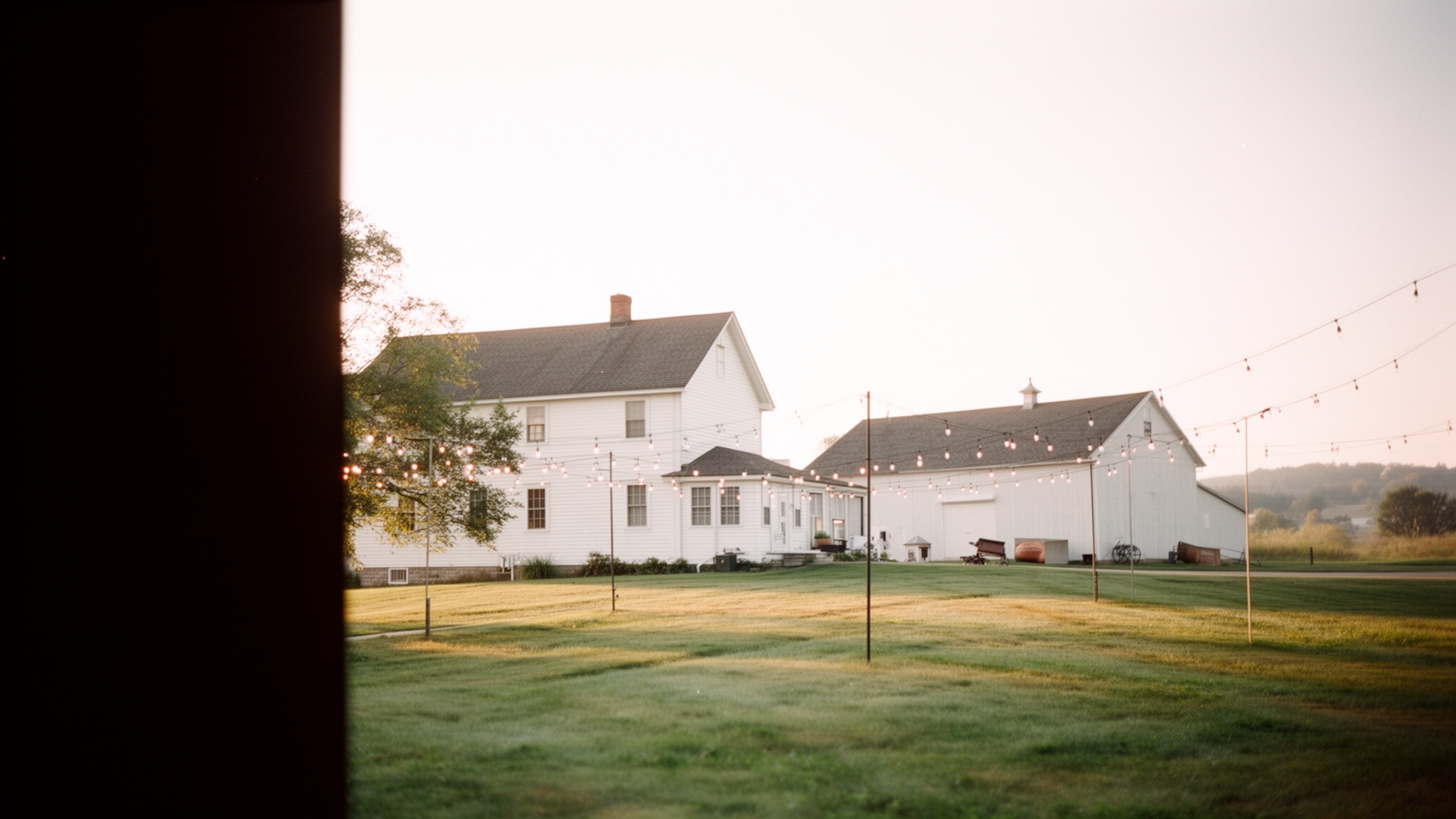
A New England house is best read before it is bought. Buyers who walk the street at different hours, check the commute and the shops, and look at the season's inventory make calmer decisions than buyers who fall for a listing photo. The same patience applies later, when an old house needs insulation, weatherproofing and a plan for winter.
Start with the street, not the listing
Noise, traffic and shops tell you more about daily life than any photograph of a renovated kitchen. Stand outside the house on a weekday morning and again on a Saturday evening. Listen for the highway, the commuter rail, the school bus and the delivery trucks. Watch how cars enter and leave the driveway, and whether a left turn onto the main road is easy or a daily gamble.
Then walk to the shops. A village centre with a grocery, a pharmacy and a coffee counter changes how often you use the car. A coastal road with seasonal traffic and a long drive to the nearest store changes it in the other direction. Betsy Hines Real Estate treats this kind of observation as the first step of the search, and its notes on reading a neighbourhood cover noise, traffic and shops street by street. The point is not to find a perfect location. It is to know which compromises you can live with on a Tuesday in February.
Coastal life or village life?
Coastal and village life in New England differ in rhythm more than in scenery. A coastal house brings wind, salt, fog and a shorter building season. It also brings a view that changes hourly and a summer population that arrives in June and leaves in September. Winter is quiet, sometimes too quiet, and the nearest hospital or hardware store may be twenty minutes away.
A village house brings sidewalks, neighbours within earshot, a library, a town green and a plow that arrives early. It also brings tighter lots, older trees, and more traffic at the school drop off. Buyers who work from home often prefer the village for the walkability. Buyers who want space for a boat, a garden or a workshop often prefer the coast or the rural road behind it.
The useful question is not which is better. It is which one matches your week. Count how many trips you make by car now, and estimate the same trips from each address. That number usually decides the matter faster than any list of pros and cons.
What do market conditions look like in a given season?
Inventory in New England moves with the weather. Listings appear in force from late March through June, thin out in July and August, and slow again after Thanksgiving. Buyers who shop in January often see fewer houses but less competition. Buyers who shop in May see the widest choice and the fastest decisions.
Reading local conditions means looking at three things: how long comparable houses sat on the market, how many sold above or below the asking price, and how much of the current inventory has been listed for more than sixty days. A house that has been available since October tells a different story in February than it did in November.
Financing matters as much as inventory. Mortgage rates, inspection timelines and closing costs set the pace of a purchase. A buyer who is preapproved and clear about the down payment can move quickly when the right house appears, and can walk away without regret when it does not.
Examining an old house at the offer stage
An old house in New England rewards a close look before the offer, not after. Walk the basement and look for water lines on the foundation, efflorescence on the concrete and the age of the heating system. Check the attic for daylight through the roof boards and for insulation that has been compressed or moved. Look at the windows: original sash with storms can be fine, but failed glazing and rotten sills are a budget item.
At the offer stage, the documents matter as much as the structure. Ask for the deed, the plot plan, the septic design if the house is not on town sewer, and any record of oil tank removal or replacement. In many Massachusetts and southern Maine towns, the assessor's card and the permit history are public and easy to request. A discrepancy between the listed square footage and the assessor's record is worth resolving before the inspection period ends.
The calendar also matters. A home inspection in January may miss exterior issues hidden under snow. A septic inspection in a wet spring may show a water table that a dry August would not. Buyers who understand the season of their purchase read the report more accurately.
Renovating, insulating and weatherproofing for winter
A colonial kitchen is often the first project in an older house, and the least forgiving. Cabinets, counters and appliances have to fit a room that was not designed around them. A respectful renovation keeps the original footprint and window placement where possible, and improves what cannot be seen: wiring, plumbing, ventilation and floor structure.
Insulation and air sealing come next, and they pay back every winter. In a cold climate, the priority order is usually the attic, then the basement rim joists, then the walls. Air sealing around chimneys, hatch doors and sill plates often does more than adding a second layer of fiberglass. A blower door test before and after the work shows what actually changed.
Weatherproofing for a nor'easter is a separate list. Clear the gutters before the first freeze, trim branches that overhang the roof, and know where the water shutoff is. A generator or a battery backup for the furnace and the refrigerator turns a three day outage into an inconvenience. Storm windows, door sweeps and pipe insulation cost little and prevent the expensive repairs that follow a deep freeze.
Autumn weekends are the best time to test all of this. Run the heat before you need it, check the chimney, and walk the property after a heavy rain. A house that handles October well usually handles February.
The order that works
Read the street, then the season, then the house. Buyers who observe before they decide spend less time undoing a choice and more time living in it. The same habit carries into ownership: a house watched closely through its first full year tells you what to renovate, what to insulate and what to leave alone.